The gut lining, which is also estrogen-sensitive, becomes more permeable
But with that interest comes a flood of questions, the most common of which we hear is, What is the correct way to inject BPC 157 for shoulder pain research? Its a question that demands a nuanced, detailed, and responsible answer
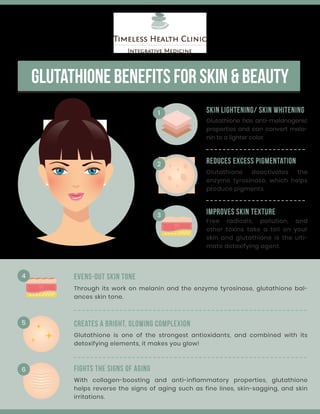
Skin barrier repair: boost collagen & elastin synthesis, restore damaged barrier, reduce transepidermal water loss Anti-aging & anti-wrinkle: improve skin elasticity, reduce fine lines, sagging, and photoaging damage Anti-inflammatory & soothing: relieve redness, sensitive skin, rosacea discomfort, post-procedure inflammation, and acne marks Antioxidant protection: neutralize free radicals, reduce oxidative stress, slow premature aging Wound healing support: accelerate microdamage repair, ideal for medical beauty & regenerative skincare Mild & compatible: non-irritating, adaptable to most aqueous cosmetic formulations, vegan & clean label friendly GHK-Cu Peptide Synthesis & Chelation Process Full Manufacturing Steps Amino acid raw material selection: L-Glycine, L-Histidine, L-Lysine of high purity cosmetic grade Solid-phase peptide synthesis: assemble GHK tripeptide via controlled peptide coupling reactions Cleavage & purification: remove protecting groups, purify crude tripeptide via chromatography Copper chelation: controlled pH chelation with copper salts to form stable GHK-Cu complex Purification & desalting: remove residual salts, impurities and unreacted raw materials Drying / formulation: vacuum freeze-drying to obtain pure blue powder OR dissolve into specified solvent for liquid formulations Quality testing & packaging: HPLC purity test, microbial & heavy metal inspection, sealed moisture-proof packaging GMP cosmetic peptide clean workshop, strictly controlled chelation pH & temperature to ensure stable copper chelate structure, consistent blue color, high purity, low impurities, meeting global cosmetic raw material standards and ISO22716 requirements

What are Bryght Skin Brightening Treatments