whilst this has not been established as a formal contraindication in UK SmPCs for approved GLP-1 receptor agonists, clinical caution and specialist review are warranted for individuals with relevant thyroid or endocrine history [24] [25] Pancreatitis (current or historical), as GLP-1-based therapies have been associated with pancreatic inflammation [19] Type 1 or Type 2 diabetes , particularly if already managed with insulin, sulfonylureas, or other glucose-lowering agents, due to an increased risk of hypoglycaemia Cardiovascular disease , given observed increases in heart rate with retatrutide in trial data Renal or hepatic impairment , as these may affect drug metabolism and tolerability Pregnancy or breastfeeding , as safety data in these populations are entirely absent When to seek urgent medical attention: If, after administration, an individual experiences severe nausea or vomiting, chest pain, rapid or irregular heartbeat, severe abdominal pain, signs of an allergic reaction (such as rash, swelling of the face or throat, or difficulty breathing), or symptoms of hypoglycaemia (such as sweating, shaking, confusion, or loss of consciousness) , they should: Call 999 immediately for life-threatening emergencies Call NHS 111 for urgent medical advice Attend an A&E department as appropriate Transparency with healthcare professionals about the substance used is essential for safe and effective clinical management

Especially in maintaining the hair growth cycle
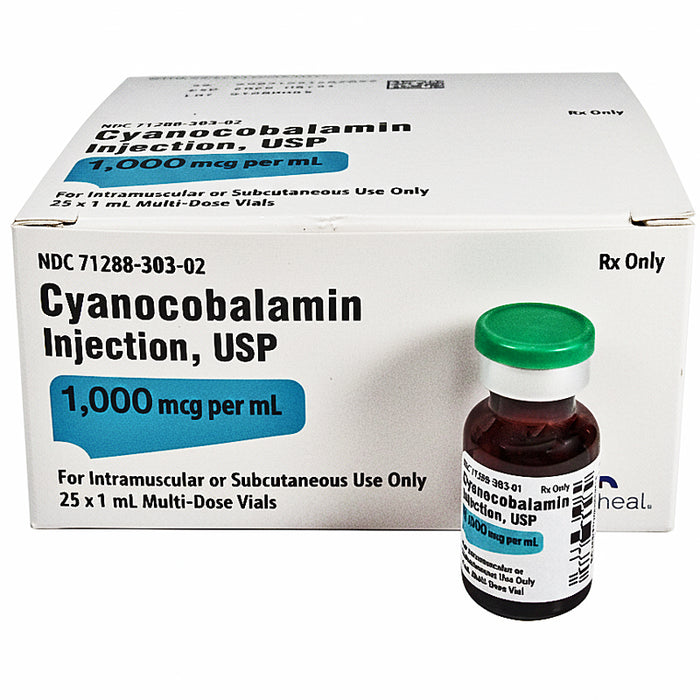
They can perform a blood test to assess your B12 levels, identify the underlying cause of any deficiency, and recommend the most appropriate treatment for your health needs
This comprehensive guide examines the AOD-9604 appetite-neutral fat loss process, covering its unique mechanism of action, the scientific research demonstrating its metabolic specificity, practical dosing protocols, safety profile, and what makes this peptide fundamentally different from both appetite suppressants and compounds that stimulate hunger