Guidance from primary care sources and specialty reviews points out a few important facts: Vitamin B12 deficiency can cause anemia and neurological symptoms, but routine screening of average-risk adults is not generally recommended Instead, testing is focused on people with higher risk, such as older adults, strict vegans, people with certain stomach or intestinal conditions, or long term use of specific medicines like metformin or acid reducers In real life, that might look like this: Your provider may suggest B12 rich foods or a standard oral B12 supplement, even without immediate lab work, if: You are over about 50 and your diet is low in animal products You follow a strict vegan or vegetarian diet and want to keep your levels up You have a mild risk factor but no concerning symptoms Your provider is more likely to order B12 labs if: You have unexplained fatigue, numbness, balance problems or memory changes You have anemia on other tests You have multiple risk factors, surgeries or long term digestive conditions that make absorption less likely Even when lab tests are not ordered right away, dosing and follow up should still be decided together with a licensed clinician

The injection is given just under the skin in the back of your arm or abdomen.
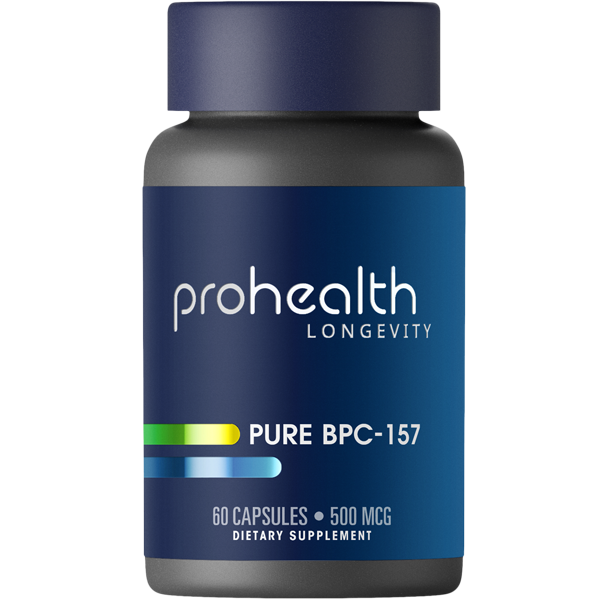
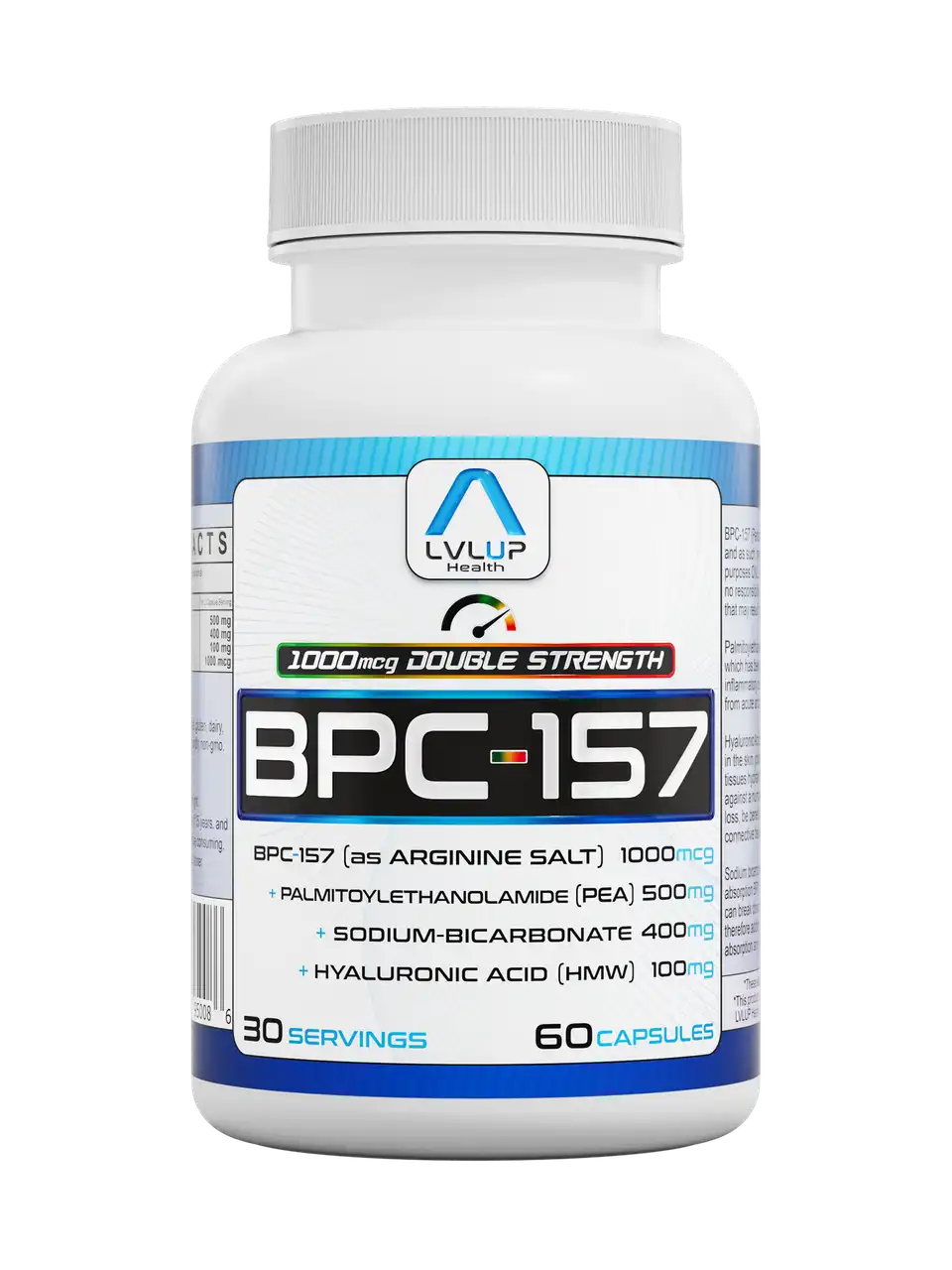
This guide breaks down the exact protocol structure we use at our peptide clinic in Doral, FL: dose by administration route, dose by use case, cycle length and rest periods, the mcg-to-units-to-mL math patients ask about every week, and how BPC-157 dosage changes when it is stacked with TB-500 in the Wolverine protocol
Conclusion BPC-157 peptide therapy is gaining attention for its healing, anti-inflammatory, and gut health benefits