This may result in a shortage, producing a variety of health concerns such as fatigue, weakness, constipation, loss of appetite, and nerve-related issues
A safety review in the Journal of Obesity & Food Metabolism describes six randomized, double-blind, placebo-controlled trials evaluating AOD-9604, including oral dosing studies and longer phase II programs
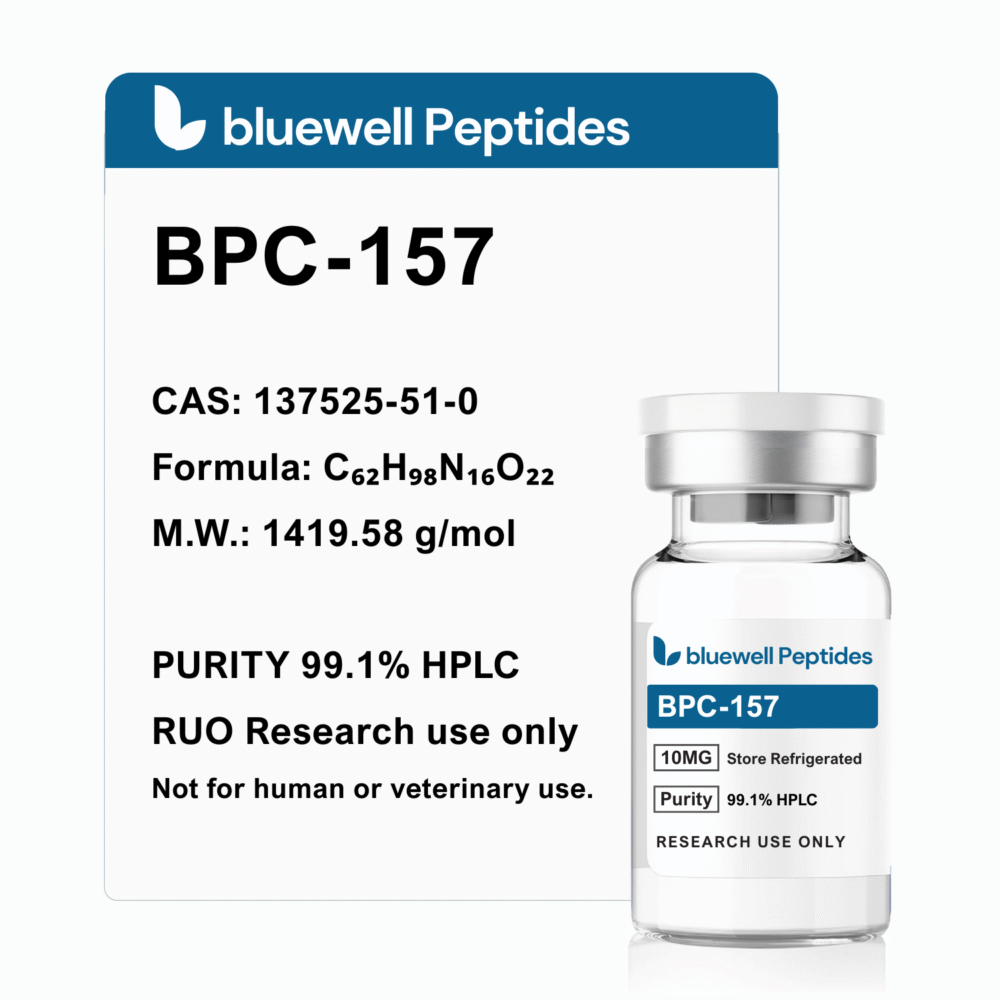
BPC-157 or TB-500 are compounds that can help facilitate healing after injury and have been shown in multiple studies to be incredibly safe when administered which is interesting when you compare that to the over-the-counter options that we use now for aches and pains, like ibuprofen, he said

BPC-157 may help by: Supporting blood vessel formation (angiogenesis) to deliver oxygen and nutrients to healing tissue Supporting collagen production and connective tissue repair Helping regulate inflammatory signaling (so the body can shift from inflamed to healing) Supporting gut lining integrity and GI repair pathways TB-500 may help by: Supporting cell migration and tissue remodeling (important for recovery and regeneration) Supporting muscle recovery and range of motion Helping reduce stiffness and supporting mobility in overworked areas Supporting recovery when injuries involve multiple tissue layers (muscle + fascia + connective tissue) In simpler terms: BPC-157 focuses heavily on targeted tissue healing and inflammation control , while TB-500 is often used for broader recovery, mobility, and tissue regeneration support