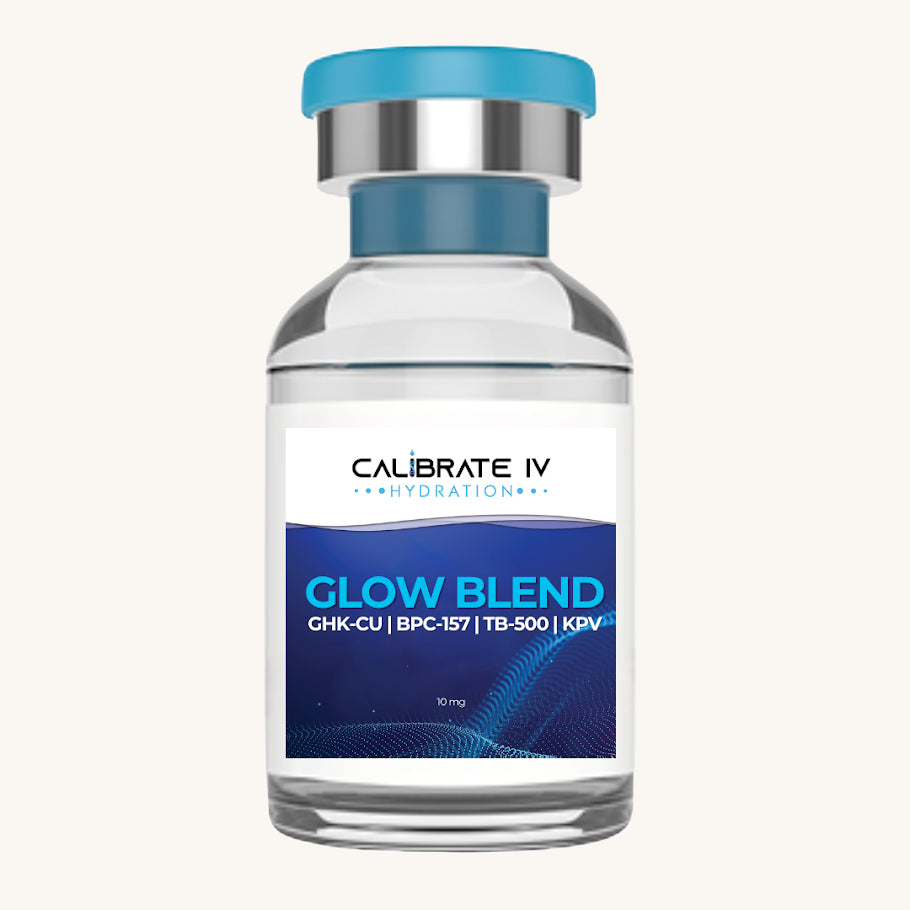
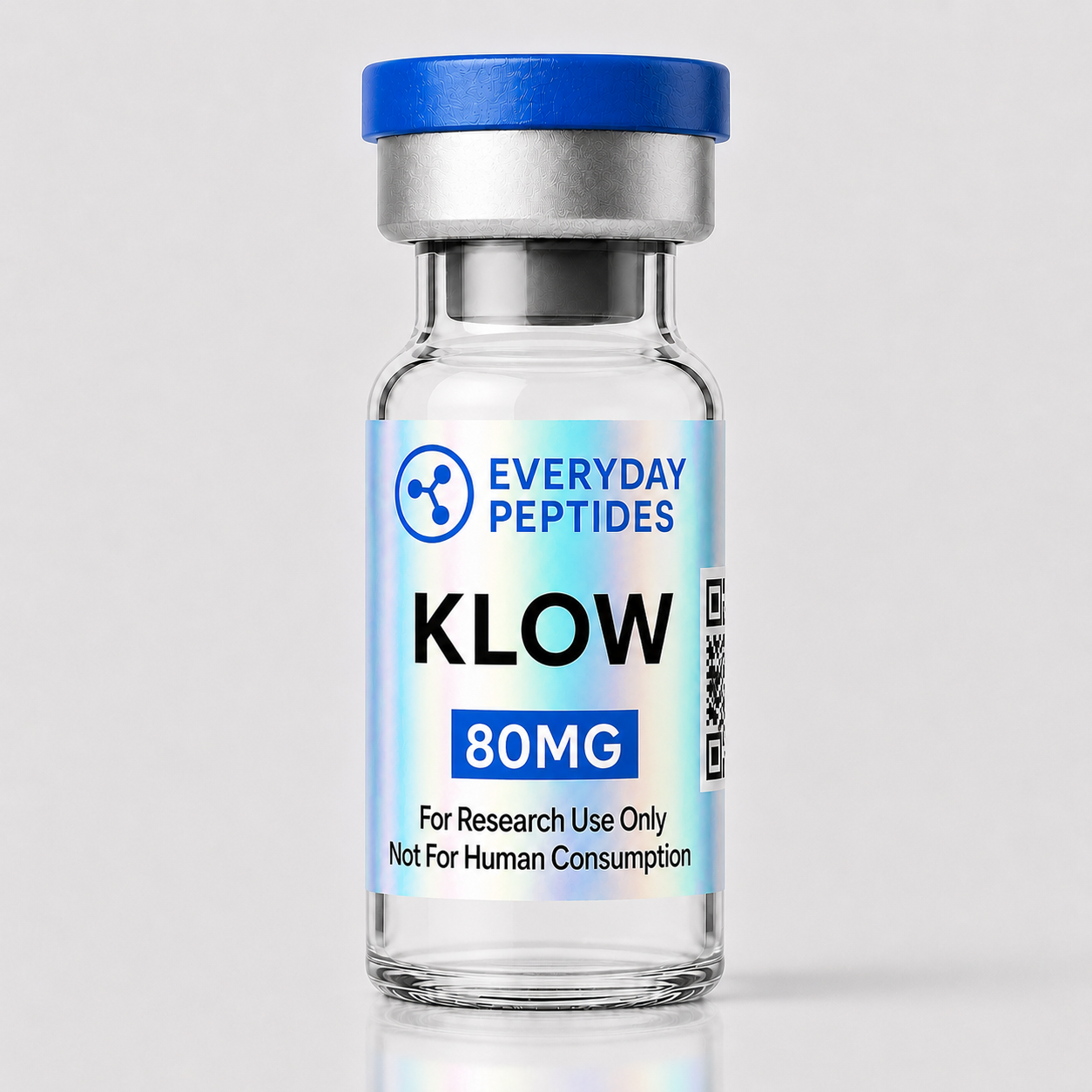
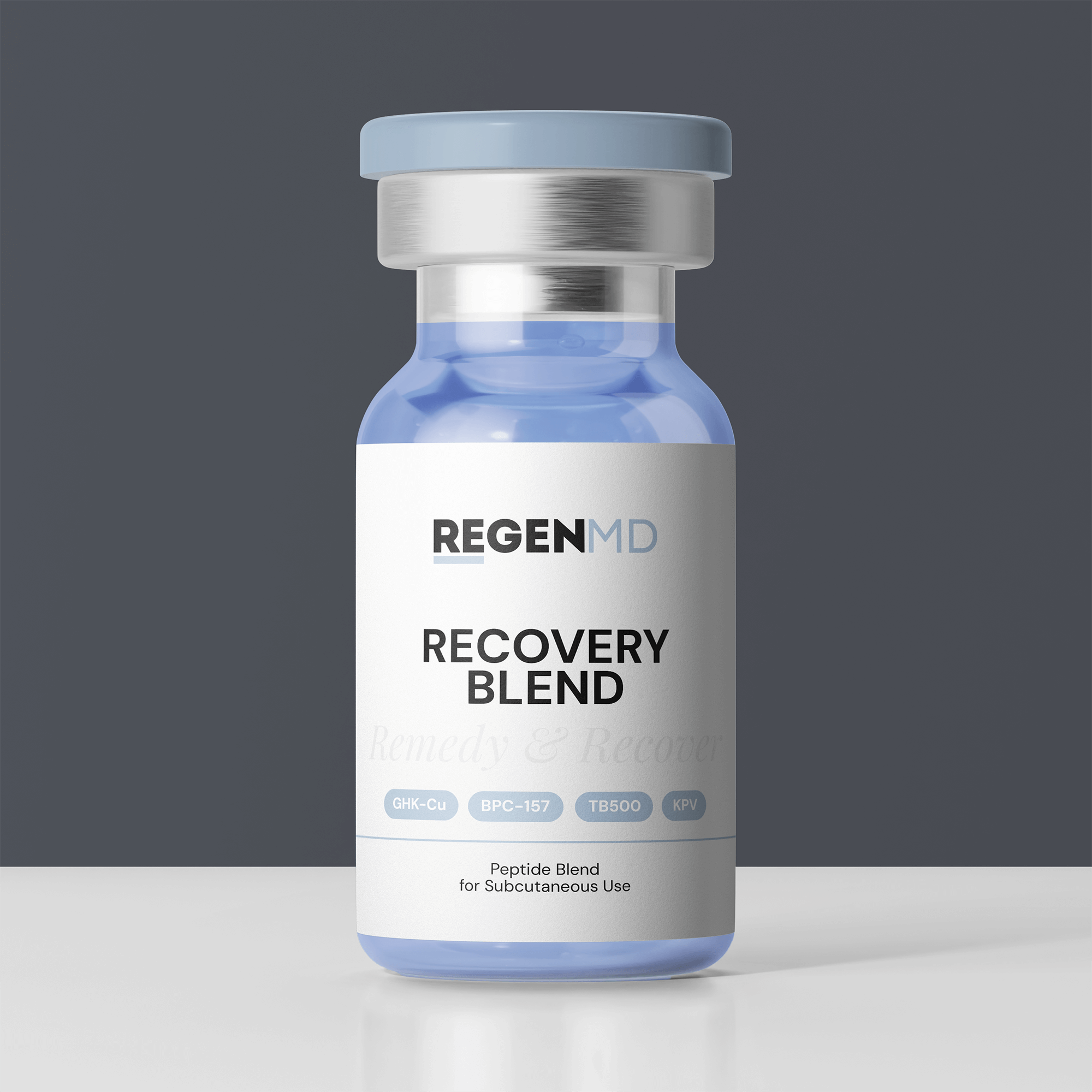
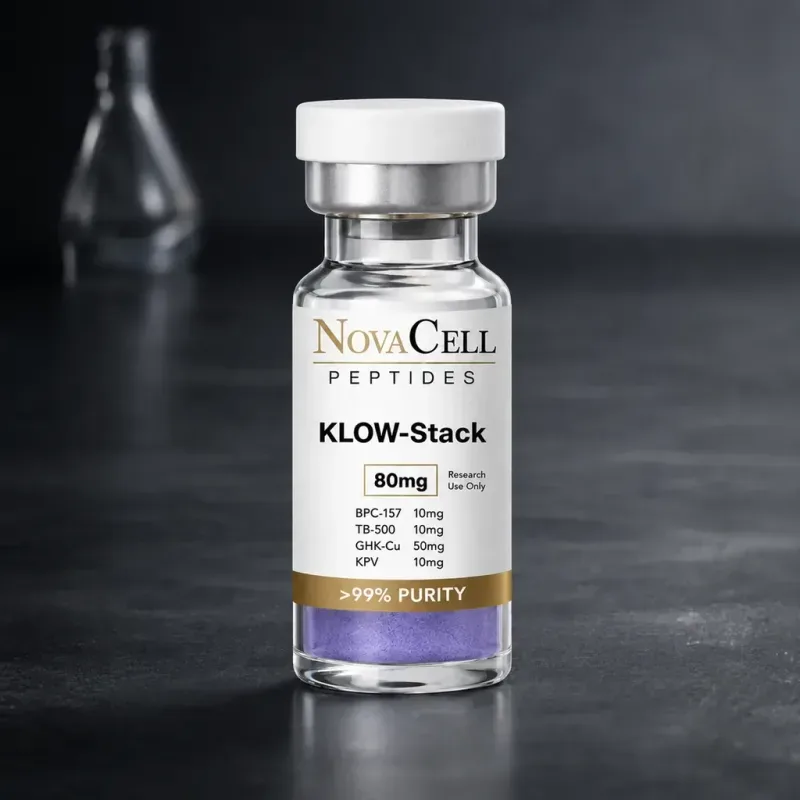
Research has explored its potential role in: Tissue repair and wound healing Tendon and ligament recovery Muscle and connective tissue support Gastrointestinal lining health Inflammatory pathway research Skin and soft tissue recovery Scientists continue to study how this peptide may influence blood vessel formation, cellular signaling, and tissue regeneration while working to better define its safety profile and clinical applications
GHK-Cu, a variant of the peptide found in high concentrations in the brain, has been studied for its ability to counteract age-associated decline in neuron function
the one or more hepatocyte growth factor mimics has or have a general structural formula R] is one of an N-acyl group, a substituted or unsubstituted phenyl, a norleucine group, and an amino acid selected from tyrosine, phenylalanine, aspartic acid, arginine, isoleucine, serine, histidine, glycine, cysteine, methionine, tryptophan, lysine norvaline, ornithine, and s-benzyl cysteine
Educational Notice: All information is provided solely for scientific and educational reference