This stability is critical for cell-based and in vivo research applications, where native peptides are rapidly degraded by intracellular proteases
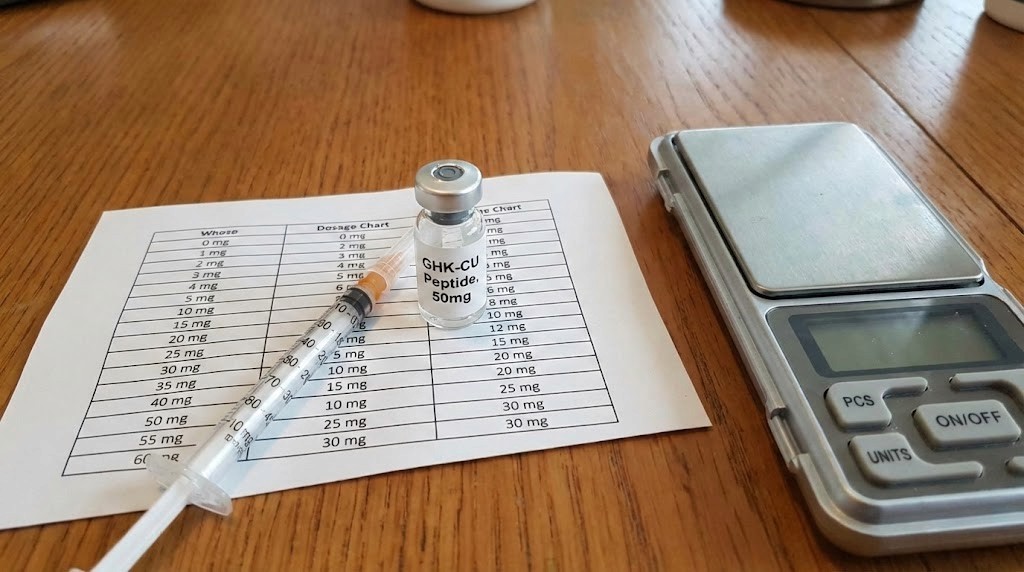
Quick Answer To reconstitute a lyophilized peptide, disinfect both vial stoppers with alcohol, slowly draw the desired volume of bacteriostatic water into a sterile syringe, inject the water gently down the inside wall of the peptide vial (avoiding direct impact on the powder whenever possible), allow the powder to dissolve naturally, gently swirl if needed, inspect the solution for clarity, and refrigerate according to recommended laboratory storage conditions
Additionally, inflammatory conditions are also suggested to benefit due to its regenerative and protective properties
Studies examining BPC-157's effects on muscle healing reveal the peptide upgrades the combined triad of collagen formation, inflammatory cell activity, and angiogenesis, with these effects appearing at earlier intervals and progressing more rapidly compared to controls