The 8 Principles of Good Residential Floor Plan Design
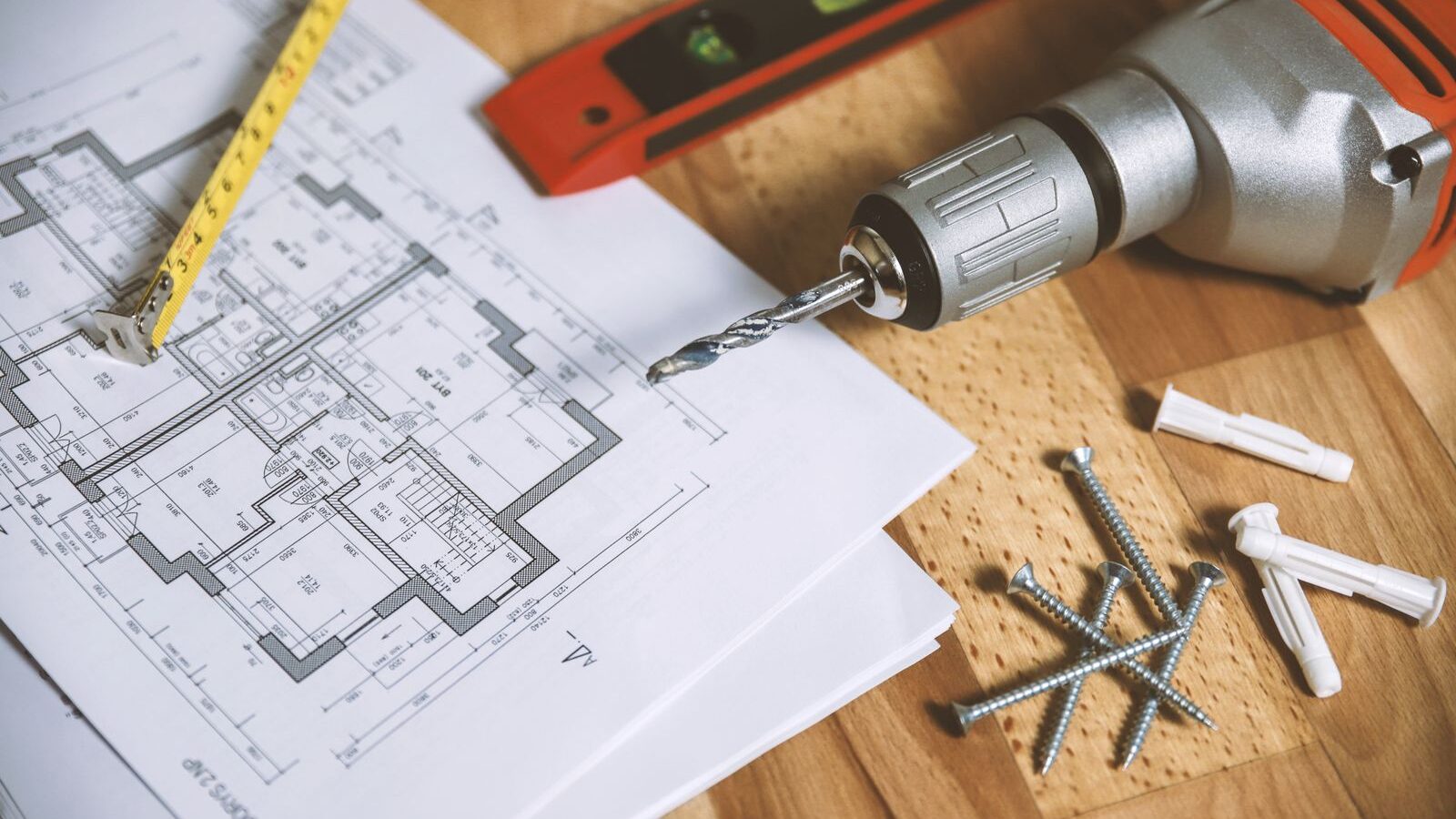
A great floor plan is invisible. When a plan truly works, the people living in it never think about it — rooms flow naturally, the kitchen makes sense where it is, the bedroom is quiet, the front door lands where it should. When a plan fails, everything fights you: the living room echoes the garage, the master bedroom sits over the family room, guests have to walk through your bedroom to reach the bathroom.
After two decades of designing residential floor plans, we’ve distilled the qualities of great plans into eight core principles. These aren’t rules in the regulatory sense — they’re design principles grounded in how people actually use and experience space.
1. Separation of Public and Private Zones
Every home contains zones of different social exposure: public areas (living, dining, entry), semi-private areas (kitchen, family room, office), and private areas (bedrooms, master bath, dressing). Good floor plans establish clear transitions between these zones and minimize accidental crossover. The classic failure: a bedroom that can only be reached by walking through the living room when guests are present. The solution is usually a dedicated hall or corridor that provides a buffer between zones.
In practical terms, this means locating bedrooms on one side of the plan (or upstairs), public spaces on the other or in the center, and designing circulation that keeps zone-to-zone movement purposeful rather than accidental.
2. Logical Kitchen Placement
The kitchen is the operational center of almost every home. It needs access to the garage (for groceries), visual connection to the family room and backyard (for supervision and socializing), proximity to the dining area, and — critically — service access that doesn’t route through formal or private areas of the home.
A kitchen placed at the back-corner of a plan may have stunning views, but if it requires carrying groceries from the garage through the formal living room, across the dining room, and around a column, the layout creates daily friction that compounds into real quality-of-life frustration over time.
3. Traffic Flow Efficiency
Think of your floor plan like a city: every room is a destination, corridors are streets, and the plan either generates sensible traffic or chaotic intersections. The best plans minimize the length of daily travel paths (bedroom to bathroom, garage to kitchen, front door to living area) while separating service paths (garage, laundry, utilities) from social paths (entry, living, dining).
One practical test: trace the path from the master bedroom to the kitchen, from the front door to the primary living area, and from the garage to the refrigerator. If any of those paths crosses through a bedroom or requires more than three door thresholds, the plan has a circulation problem.
4. Appropriate Room Hierarchy
Not all rooms are equal. A master bedroom should be meaningfully larger than a secondary bedroom. A great room should be larger than a study. The primary bathroom should be more generous than a powder room. When room sizes don’t reflect their use hierarchy, the plan feels off even when visitors can’t articulate why.
Common hierarchical failures: a master suite the same size as the second bedroom, a formal living room larger than the family room, or a laundry room the size of a pantry. Room area ratios communicate how a household is meant to live, and they should reflect the actual priorities of the occupants.
5. Natural Light Penetration
Rooms that need daylight should have windows. This sounds obvious, but floor plan decisions routinely sacrifice natural light for square footage, compactness, or budget. The most common failure: interior bathrooms and hallways with no exterior exposure, leaving occupants to navigate artificially lit corridors that make the home feel smaller and darker than it is.
Great plans orient primary living spaces toward the best light exposure for the climate (south in temperate climates for passive solar), cluster secondary and service spaces against less desirable exposures, and use clerestories, skylights, or light wells to bring daylight into deep plans.
6. Structural Grid Alignment
From a purely aesthetic standpoint, a floor plan can be organized any way you like. From a structural and construction cost standpoint, room boundaries that align with a regular structural grid are dramatically less expensive to build than irregular room shapes. Non-orthogonal walls, curved boundaries, and rooms that don’t align with the structural system above them create significant cost premiums in framing, finish work, and MEP coordination.
This doesn’t mean all rooms must be rectangular — it means that when rooms depart from regular geometry, the design should have a clear reason for doing so, and the cost premium should be understood upfront.
7. Future Flexibility
The best floor plans anticipate change. A growing family will need more bedrooms; an aging couple may need to eliminate stairs; a remote worker may need an office that a previous occupant used as a playroom. Plans that are too tightly optimized for a single household configuration fail their occupants when life changes, as it inevitably does.
Design for flexibility by: sizing secondary bedrooms generously enough to serve multiple functions; locating the garage in a position where it could be converted; including a first-floor bedroom or office that could serve as a future master suite; and keeping structural walls away from spaces that might need to expand or contract.
8. Indoor-Outdoor Connection
Especially in climates that permit outdoor living, the relationship between interior spaces and exterior areas is critical. The kitchen and primary living area should have direct access to the main outdoor space. The master suite should have private outdoor access where possible. Secondary bedrooms can share or forgo direct outdoor access.
The failure mode here is a beautiful backyard accessible only through a single, poorly located door that creates traffic problems indoors or requires walking through bedroom corridors. Great plans make outdoor living an extension of indoor living, not an afterthought.
Applying These Principles
None of these principles operates in isolation. A plan might have excellent zone separation but poor natural light. A plan might have brilliant kitchen placement but awkward traffic flow. The best residential floor plans achieve all eight simultaneously — which is why good architectural design takes time, iteration, and expertise.
If you’d like to test these principles yourself, try our free Floor Plan Builder. Lay out your rooms, trace your circulation paths, check your zone separation, and see how your design measures up.
Have a Project in Mind?
Our licensed architects are ready to help. Free initial consultation.